Discovering the Essentials of Laser Engraving
Overview
Laser engraving is a precise, versatile technology that allows for detailed personalization and manufacturing on various materials. It differs from laser cutting in that it marks surfaces without cutting through them. Key advantages include speed, efficiency, and eco-friendliness. Essential components of a laser engraver include the laser source, control system, and cooling system. Popular applications range from personalized gifts to industrial uses. Proper maintenance is crucial for longevity. The AtomStack P1 Dual Laser Engraver is highlighted as a great option for beginners and professionals alike.
Table of Contents
- What is Laser Engraving?
- The Distinction Between Laser Engraving and Laser Cutting
- Laser Engraving
- Laser Cutting
- The Advantages of Laser Engraving
- Precision and Detail
- Versatility
- Speed and Efficiency
- Environmentally Friendly
- Key Components of a Laser Engraver
- Laser Source
- Control System
- Work Area
- Cooling System
- Materials Suitable for Laser Engraving
- Getting Started with Laser Engraving
- Choosing the Right Engraver
- Design Creation
- Material Preparation
- Testing Your Settings
- Laser Engraving Applications
- Personalization
- Business Branding
- Industrial Uses
- Artwork and Crafting
- Maintaining Your Laser Engraver
- Regular Cleaning
- Check and Replace Parts When Needed
- Software Updates
- Elevate Your Craft with Laser Engraving
Key Takeaways
- Precision and Detail: Laser engraving allows for intricate designs and detailed patterns that are difficult to achieve with traditional methods.
- Versatility: It can be used on various materials, including wood, acrylic, glass, metal, and leather, making it suitable for many applications.
- Speed and Efficiency: Laser engraving machines operate quickly, enabling rapid production and customization compared to manual methods.
- Environmentally Friendly: The process generates less waste and avoids harmful chemicals, making it a cleaner manufacturing option.
- Key Components: Understanding essential parts like the laser source, control system, and cooling system is crucial for optimizing engraving performance.
- Applications: Common uses include personalization of gifts, business branding, industrial labeling, and artistic crafting.
- Maintenance: Regular cleaning and monitoring of parts are essential for prolonging the lifespan and efficiency of your laser engraver.
Pros and Cons
| Advantages of Laser Engraving | Drawbacks of Laser Engraving |
|---|---|
| Highly precise with intricate designs. | Initial investment in equipment can be high. |
| Versatile across various materials. | Requires technical knowledge for operation. |
| Fast production speeds for large orders. | Maintenance is needed to ensure optimal performance. |
| Environmentally friendly with less waste. | Limited to materials that can withstand laser heat. |
| Ideal for personalization and branding. | Potential safety hazards if not operated correctly. |
Who It's For (And Not For)
Who It's For
- Hobbyists and Crafters: If you enjoy creating personalized items, gifts, or artwork, laser engraving can enhance your creative projects.
- Small Business Owners: Those looking to offer custom branding or personalized products can benefit from the efficiency and precision of laser engraving.
- Artists: If you are an artist seeking to produce intricate designs, laser engraving technology allows for high-quality craftsmanship.
- Manufacturers: Businesses in need of precise marking or labeling for products can utilize laser engraving for efficiency and accuracy.
Who It's Not For
- Casual Users: If you only need to engrave occasionally or on a very small scale, the investment in a laser engraver may not be justified.
- Those Seeking Simplicity: If you prefer straightforward methods without the need for technology or design software, traditional engraving methods might be more suitable.
- Individuals on a Tight Budget: Laser engravers can be a significant investment, and if budget constraints are a concern, exploring alternative engraving methods may be wiser.
- People Uninterested in Learning: If you are not willing to invest time in learning how to operate the machine and design software, laser engraving may not be the right choice for you.
Laser engraving is an innovative technology that has revolutionized how we personalize items, create intricate designs, and manufacture products. Whether you are a hobbyist, professional, or business owner, understanding the basics of laser engraving—and how it can be an essential tool in your toolkit—can help you unlock endless creative possibilities. In this article, we'll delve into the world of laser engraving, explore its advantages, and discuss how devices like the AtomStack P1 Dual Laser Engraver have changed the landscape of engraving forever.
What is Laser Engraving?
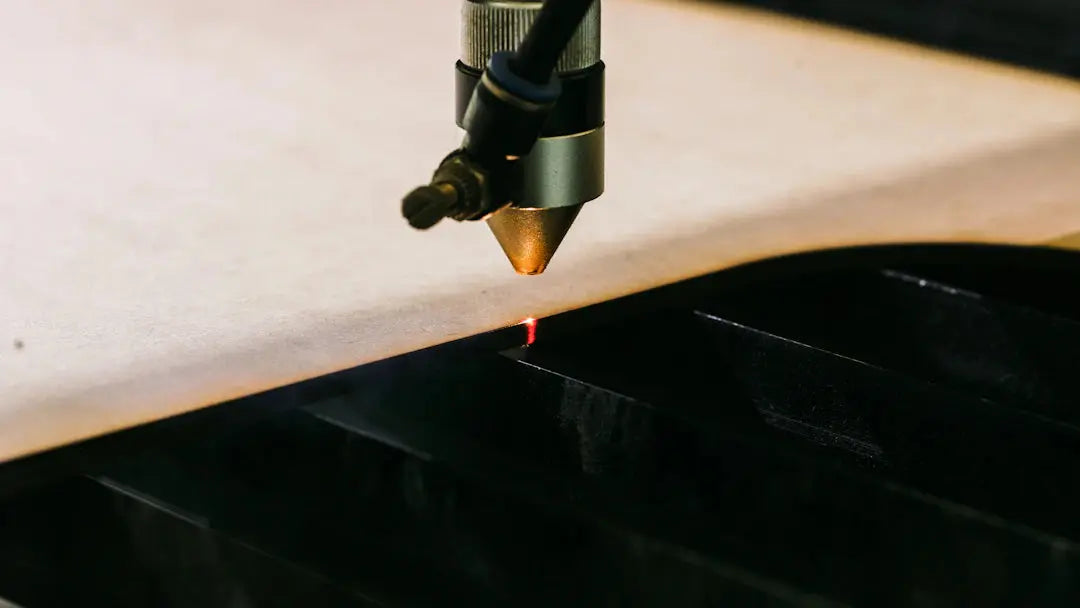
Laser engraving is a process that utilizes focused beams of laser light to etch or engrave designs onto various materials. This technology is highly precise and can create detailed images, texts, and patterns on surfaces like wood, glass, metals, leather, and more. The high-intensity laser beam effectively vaporizes or melts the material, creating a permanent mark or design.
The Distinction Between Laser Engraving and Laser Cutting
While both laser engraving and laser cutting employ similar technology, they serve different purposes. Understanding the differences between the two can help you maximize the effectiveness of your projects.
Laser Engraving
Laser engraving is primarily focused on marking the surface of a material without penetrating it deeply. This technique is used for creating detailed designs, logos, or text on various surfaces. The depth of engraving varies depending on the power settings of the laser, but it usually remains shallow.
Laser Cutting
On the other hand, laser cutting involves using a laser beam to cut through materials entirely. This process allows for the creation of complex shapes and designs from flat sheets of materials. Laser cutters can slice through a wide range of materials, making them ideal for crafting, manufacturing, and industrial applications.
The Advantages of Laser Engraving
There are several reasons why laser engraving has become a popular choice among businesses, artists, and hobbyists alike. Let's explore some of the key benefits.
Precision and Detail
One of the most significant advantages of laser engraving is its precision. The technology allows for incredibly detailed designs to be etched onto surfaces, with the capability to produce intricate patterns that would be challenging or impossible to achieve using traditional engraving methods.
Versatility
Laser engraving can be applied to an impressive array of materials, including wood, acrylic, glass, metal, and leather. This versatility makes it an excellent option for various applications ranging from personalized gifts to industrial manufacturing. The AtomStack P1 Dual Laser Engraver, for example, is renowned for its ability to handle diverse materials efficiently.
Speed and Efficiency
Laser engraving machines operate quickly and with minimal setup, allowing for rapid production. Unlike traditional methods, which may involve manual labor and longer production times, laser engraving achieves quick results, making it suitable for large-scale production or customized orders.
Environmentally Friendly
Laser engraving is a cleaner process compared to some traditional engraving methods. It generates less waste, and many of the materials used are recyclable. Additionally, because the process uses laser technology rather than harmful chemicals, it can be a more eco-friendly option for manufacturing and crafting.
Key Components of a Laser Engraver
Understanding the components of a laser engraver is essential for maximizing its capabilities. Here are the main elements that make up a typical laser engraving setup:
Laser Source
The laser source is the heart of the engraving machine. Different types of lasers, such as CO2 lasers, fiber lasers, and diode lasers, have various applications and characteristics. The AtomStack P1 Dual Laser Engraver utilizes a powerful laser source that delivers striking results on multiple materials.
Control System
The control system of a laser engraver manages the operation of the machine. It interprets the design files and guides the laser head accordingly. Many contemporary engravers feature user-friendly interfaces that allow operators to adjust settings with ease.
Work Area
The work area, often referred to as the bed of the engraver, is where the material is placed for engraving. The size of the work area varies between models, influencing the types of projects that can be undertaken.
Cooling System
Most laser engravers have a cooling system to prevent overheating during operation. The quality and efficiency of the cooling system can impact the longevity and performance of the machine.
Materials Suitable for Laser Engraving
Knowing which materials can be effectively engraved can help you choose projects wisely. Here’s a list of materials commonly used in laser engraving:
- Wood: A popular choice for personalized gifts and decorative items.
- Acrylic: Often used for signage and awards.
- Glass: Ideal for creating special trophies, and customized glassware.
- Metals: Perfect for engraving tools, jewelry, or trophies.
- Leather: Used in fashion, accessories, and personalized gifts.
- Paper: Great for crafting personalized cards and invitations.
Getting Started with Laser Engraving
If you’re new to laser engraving, the following steps can help you get started smoothly:
Choosing the Right Engraver
Your choice of a laser engraver is vital to your project success. Look for a model that fits your specific needs and budget. The AtomStack P1 Dual Laser Engraver offers a fabulous combination of affordability and quality, making it a strong contender for beginners and intermediate users alike.
Design Creation
Create or modify your design using graphic design software such as Adobe Illustrator, CorelDRAW, or free tools like Inkscape. Ensure your designs are compatible with your engraving machine’s requirements, typically saved as vector files.
Material Preparation
Before you start the engraving process, ensure the material is clean and properly sized for your work area. This preparation goes a long way in ensuring optimal engraving results.
Testing Your Settings
Before committing to your final design, it’s wise to perform a test engraving on a scrap piece of the same material. This allows you to adjust the power, speed, and resolution settings depending on the material and complexity of your design.
Laser Engraving Applications
The potential applications of laser engraving are virtually limitless. From personalized gifts to industrial applications, here are some popular uses:
Personalization
Engraving personal messages, names, and dates onto items like jewelry, glassware, and wood crafts makes for truly unique gifts. Personalization adds sentimental value and is a key reason for the popularity of laser engraving in the custom gift market.
Business Branding
Companies utilize laser engraving for branding purposes by etching logos and company details onto products such as promotional items, awards, and business cards. This not only enhances brand visibility but also serves as a long-lasting marketing tool.
Industrial Uses
Many industries apply laser engraving for identification and labeling purposes. Machinery parts, tools, and electronics often have barcodes or serial numbers engraved for tracking and identification.
Artwork and Crafting
Artists leverage laser engraving technology to create intricate designs and artwork. The possibility of precision and repeatability makes it ideal for producing high-quality craft products.
Maintaining Your Laser Engraver
To prolong the lifespan and efficiency of your laser engraver, proper maintenance is essential. Here are some practical tips:
Regular Cleaning
Keeping the components of your laser engraver clean is essential. Dust, debris, and residue can affect performance. Regularly clean the lens, mirrors, and the work area to ensure optimal functioning.
Check and Replace Parts When Needed
Like any machinery, laser engravers may require parts replacement over time. Monitor the wear and tear of essential components like the laser tube and cooling system, replacing them as needed to maintain performance.
Software Updates
Stay up to date with software updates from the manufacturer. Updates often provide improved functionalities, new features, and necessary bug fixes that can enhance your engraving experience.
Elevate Your Craft with Laser Engraving
The world of laser engraving offers boundless opportunities for creativity, precision, and personalization. By understanding the fundamentals—from distinguishing between engraving and cutting to exploring practical applications—you can take your crafting and business endeavors to new heights. With a machine like the AtomStack P1 Dual Laser Engraver, you are equipped to dive into this exciting realm and explore countless possibilities. Whether you're creating custom gifts, embarking on an artistic project, or seeking a new business venture, laser engraving can be an incredible asset in your toolkit.
Frequently Asked Questions
1. What is laser engraving?
2. What is the difference between laser engraving and laser cutting?
3. What are the advantages of laser engraving?
4. What materials can be used for laser engraving?
5. How can I get started with laser engraving?
Glossary
| Term | Meaning |
|---|---|
| Laser Engraving | A process using laser light to etch designs on various materials. |
| Laser Cutting | A technique that uses lasers to cut through materials entirely. |
| Precision | The ability to create intricate and detailed designs accurately. |
| Versatility | The capability to engrave on a wide range of materials. |
| AtomStack P1 | A popular laser engraver known for efficiency and quality. |
| Cooling System | A component that prevents overheating during engraving. |
| Material Preparation | Ensuring materials are clean and properly sized before engraving. |
| Test Engraving | A practice run on scrap material to adjust settings before final engraving. |
| Personalization | Adding custom messages or designs to items for unique gifts. |
| Maintenance | Regular care of the engraver to ensure optimal performance. |
Linked Product

AtomStack P1 Dual Diode Laser Engraver
The AtomStack P1 Dual Diode Laser Engraver is a versatile machine designed for beginners and small business owners, enabling them to engrave a wide range of materials including wood, leather, acrylic, and metals like stainless steel and aluminum. Its dual laser modules allow for quick and precise engraving, with most designs completing in just 10 to 15 seconds. With a compact, fully enclosed design and easy setup, it's suitable for personal projects as well as small-scale production for markets and online sales.
View ProductWe beat any authorized dealer's price and quote your whole project
Reading up before you buy? Send us the details and a US-based expert will spec the entire project and get you the lowest price we can, on any machine we carry.
- ✓We beat authorized dealer pricingShow us a lower advertised price and we will beat it.
- ✓Whole-project quotingMachine, accessories, materials, and setup in one quote.
- ✓Real experts, US-basedTalk to people who actually run these machines.
- ✓Financing availableFlexible options through Shop Pay Installments.
Shop by brand
We carry the top names in laser engraving and industrial 3D printing, factory-direct.
Diode laser engravers and cutters for makers, hobbyists, and small shops.
Shop AtomStack → 3D Printers FlashForgeReliable FDM and resin 3D printers for prototyping, education, and production.
Shop FlashForge → Industrial 3D Printers Vision MinerHigh-temp industrial 3D printers for engineering-grade and functional parts.
Shop Vision Miner →Shop by category
Not sure where to start? Explore our main categories or request a free quote above.