Eco-Friendly Laser Engraving: A Sustainable Choice
Overview
Laser engraving is an eco-friendly technology that minimizes waste, reduces energy consumption, and eliminates harmful chemicals compared to traditional methods. Machines like the Gweike MCore Laser Cutter contribute to sustainability by using recyclable materials and supporting local economies. As technology advances, laser engraving will play an increasingly important role in promoting sustainable practices.
Table of Contents
- The Green Benefits of Laser Engraving
- Minimal Material Waste
- Energy Efficiency
- No Harmful Chemicals
- Material Versatility and Eco-Friendliness
- Natural Materials
- Recyclable Materials
- The Role of Laser Machines in Sustainability
- Long Lifespan and Durability
- Low Maintenance Requirements
- Community and Environmental Impact
- Supporting Local and Sustainable Businesses
- Educating Consumers
- Future of Eco-Friendly Laser Engraving
- Advancements in Renewable Energy
- Enhanced Recycling Techniques
- Join the Green Revolution Today
Key Takeaways
- Minimal Material Waste: Laser engraving minimizes waste by utilizing only the required material for projects.
- Energy Efficiency: Laser engraving machines consume less electricity compared to traditional methods, making them more energy-efficient.
- No Harmful Chemicals: This technique eliminates the need for harmful chemicals, ensuring safer products for consumers and the environment.
- Material Versatility: Laser engraving can process a range of eco-friendly materials, including recycled and sustainably sourced options.
- Long Lifespan: High-quality laser machines have a durable design, reducing the need for frequent replacements and minimizing electronic waste.
- Community Impact: Supporting local artisans who use laser engraving promotes sustainable practices and strengthens local economies.
- Future Innovations: Advances in renewable energy and recycling technologies will further enhance the sustainability of laser engraving.
Pros and Cons
| Advantages of Laser Engraving | Drawbacks of Laser Engraving |
|---|---|
| Minimal material waste due to precision cutting. | Initial investment for high-quality machines can be high. |
| Energy-efficient compared to traditional engraving methods. | Requires electricity, which may not always be renewable. |
| No harmful chemicals used, promoting safety for consumers. | Learning curve for new users to master the technology. |
| Versatile materials can be used, including recycled options. | Maintenance can still be required for optimal performance. |
| Long lifespan reduces electronic waste. | Limited to materials that can withstand laser engraving. |
Who It's For (And Not For)
Who It's For
- Eco-conscious Artisans: If you prioritize sustainability in your craft, laser engraving is a perfect choice. It minimizes waste and eliminates harmful chemicals.
- Small Business Owners: Entrepreneurs looking to support local economies and sustainable practices will benefit from using laser engraving techniques.
- Individuals Seeking Precision: Those who require high precision in their projects will find laser engraving to be an efficient and effective method.
- Innovators in Green Technology: If you are interested in advancing eco-friendly practices, investing in laser engraving equipment aligns with your goals.
Who It's Not For
- Budget-Conscious Beginners: If you are just starting out and have limited funds, the initial investment in laser engraving equipment may not be feasible.
- Traditionalists: Those who prefer conventional engraving methods and materials may not find laser engraving aligns with their artistic vision.
- Low-Volume Producers: If you only need to produce a few items infrequently, the efficiency of laser engraving may not justify the investment.
- Individuals Uninterested in Sustainability: If environmental impact is not a concern for you, the benefits of laser engraving may not be compelling.
In a world that increasingly prioritizes sustainability, eco-friendly technologies are at the forefront of innovation. Among these is laser engraving, a technique that not only offers precision but also aligns with environmentally conscious practices. This blog will explore the eco-friendly aspects of laser engraving, as well as how tools like the Gweike MCore Laser Cutter and laser marking machines contribute to a greener planet.
The Green Benefits of Laser Engraving
Laser engraving is a highly efficient method of marking and cutting materials. While traditional engraving methods often involve substantial waste and harmful chemicals, laser technology stands apart due to its precision and reduced ecological footprint. Here’s a closer look at why laser engraving is a sustainable choice:
Minimal Material Waste
One of the strongest eco-friendly aspects of laser engraving is its ability to minimize waste. The precision offered by laser cutting ensures that only the required material is utilized. Whether it's wood, acrylic, or other substrates, the accuracy of devices like the Gweike MCore Laser Cutter allows users to achieve their design objectives without excess material being left behind.
Energy Efficiency
Laser engraving machines are typically more energy-efficient than many traditional engraving methods. While they do require power, their focused energy usage means that less electricity is consumed overall. Compared to older technologies that may use motors, saws, or other power-hungry mechanisms, modern laser cutters make a more efficient use of energy resources.
No Harmful Chemicals
Traditional engraving may involve chemicals and solvents that can harm both the environment and human health. Laser engraving eliminates the need for these substances. Products are not treated with preservatives or other harmful chemicals, making them safer for consumers and reducing environmental contamination.
Material Versatility and Eco-Friendliness
The versatility of materials that can be processed by laser engraving machines further enhances their eco-friendly profile. Many of these materials are recycled or sustainably sourced, reinforcing the commitment to environmental responsibility.
Natural Materials
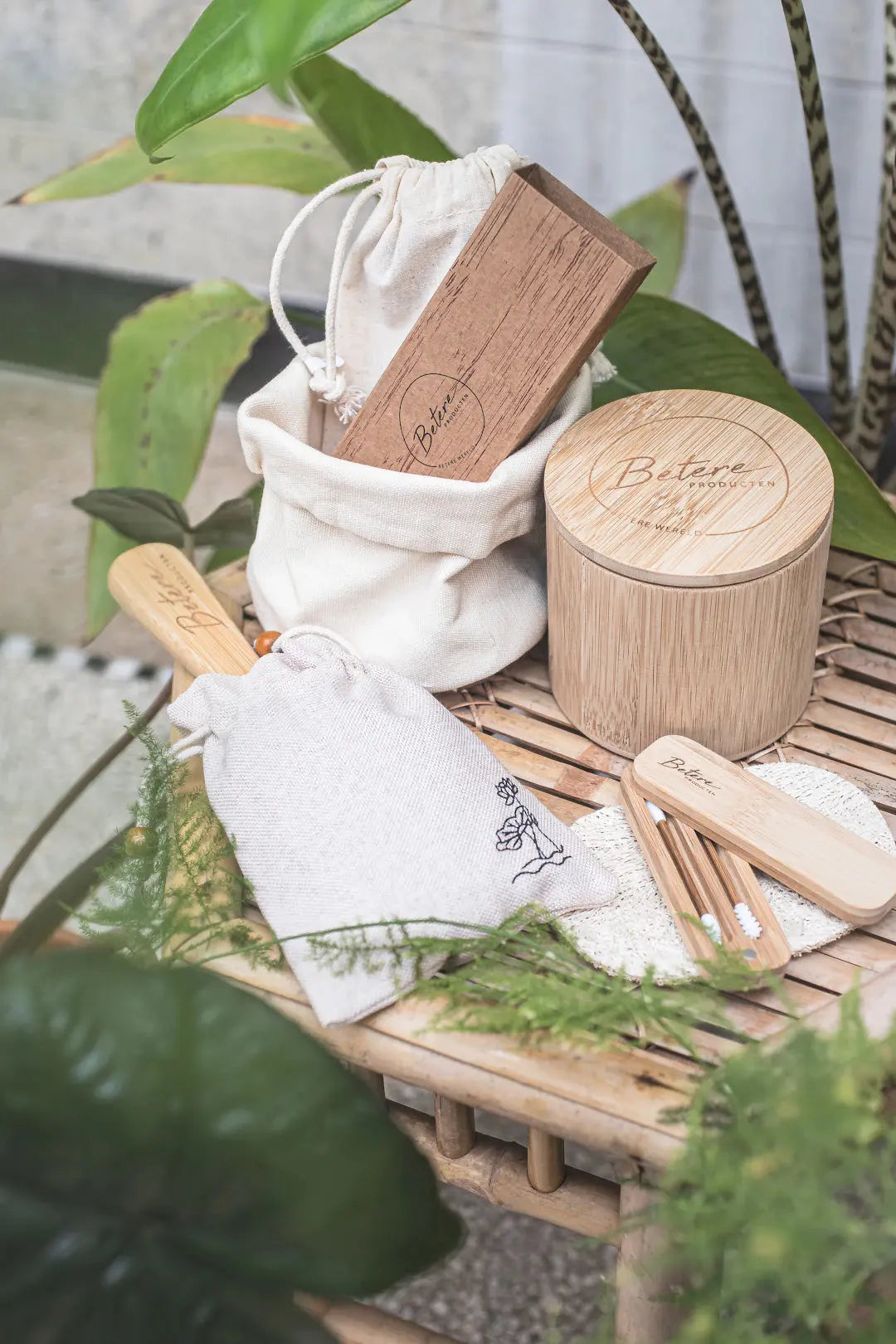
Wood is a commonly used material in laser engraving, and when sourced from sustainable forests, it poses minimal environmental impact. Engraving on reclaimed wood is also popular, eliminating the need for new lumber and reducing waste in landfills. Products created from materials like bamboo offer renewable resources that aren’t damaging to the planet.
Recyclable Materials
Acrylic, while synthetic, is often chosen for its recyclable properties. Many laser engraving projects utilize acrylic materials that can eventually be recycled post-use. This creates a circular economy where materials are reused and kept out of landfills, contributing to a healthier environment.
The Role of Laser Machines in Sustainability
Investing in high-quality laser engraving equipment, such as the Gweike MCore Laser Cutter or various laser marking machines, enables artisans and manufacturers to take significant steps towards sustainability. But how do these machines contribute more broadly to the eco-friendly movement?
Long Lifespan and Durability
Laser engraving machines are typically robust and built to last. The durability of these devices means they don't require frequent replacement, thus reducing the demand for new machinery and the resources needed to create them. A longer lifespan also equates to less electronic waste, a significant concern in environmental impact.
Low Maintenance Requirements
With fewer mechanical parts required, laser marking machines often demand less in terms of upkeep. This means not only lower costs for owners but also less consumption of materials and resources traditionally used in machine maintenance. Having fewer components reduces the chances of replacement or repair, which further conserves resources.
Community and Environmental Impact
The rise in popularity of laser engraving doesn’t just benefit individual users; it can positively affect communities and the environment too. Sustainable practices can empower local economies and promote conscious consumption among consumers.
Supporting Local and Sustainable Businesses
By choosing to engage in laser engraving, artisans can support small businesses and startups that are committed to eco-friendly practices. Choosing materials that are locally sourced minimizes transportation emissions while promoting a local economy that values sustainability.
Educating Consumers
As more consumers become aware of the eco-friendly potential of laser engraving, there is an opportunity to educate them about sustainable practices. Through workshops and community engagement, laser engraving artists can showcase the versatility of materials, the importance of recycling, and overall ecological awareness, fostering a community that is committed to minimizing its ecological footprint.
Future of Eco-Friendly Laser Engraving
As technology progresses, the potential for laser engraving as a sustainable practice only continues to improve. Innovations in energy sources, material recycling, and machine efficiency will further push the boundaries of eco-friendly practices.
Advancements in Renewable Energy
The integration of renewable energy sources into power supplies for laser engraving machines could dramatically increase their ecological benefits. By using solar or wind power, businesses can operate with virtually no carbon footprint, setting a new standard for sustainable manufacturing processes.
Enhanced Recycling Techniques
As recycling technologies advance, we can expect laser engraving to play an even bigger role in the circular economy. Machines could be designed to not only engrave but also process recyclable materials more effectively, expanding the scope of eco-friendly craft.
Join the Green Revolution Today
The path to sustainability starts with informed choices. When you choose laser engraving for your projects, you're not just selecting a method for customization and design—you're also making a commitment to a greener future. Investing in machines like the Gweike MCore Laser Cutter and utilizing laser marking machines can help individuals and businesses align with eco-friendly practices for a sustainable tomorrow. The world of laser engraving is not just about creating beautiful pieces; it's about creating a better planet.
Frequently Asked Questions
1. What are the eco-friendly benefits of laser engraving?
2. How does laser engraving achieve minimal material waste?
3. What types of materials can be used with laser engraving machines?
4. How do laser engraving machines contribute to sustainability?
5. What future advancements can enhance the eco-friendliness of laser engraving?
Glossary
| Term | Meaning |
|---|---|
| Laser Engraving | A precise method of marking and cutting materials using laser technology. |
| Eco-Friendly | Practices or products that are not harmful to the environment. |
| Material Waste | Excess material left unused after production, which laser engraving minimizes. |
| Energy Efficiency | Using less energy to achieve the same output, typical in laser engraving machines. |
| Sustainable Materials | Resources that are sourced responsibly and have minimal environmental impact. |
| Recyclable Materials | Materials that can be processed and reused after their initial use. |
| Long Lifespan | The durability of laser machines, leading to less frequent replacements. |
| Community Impact | The positive effects of sustainable practices on local economies and environments. |
| Renewable Energy | Energy from sources that are naturally replenished, like solar or wind power. |
| Circular Economy | An economic system aimed at minimizing waste and making the most of resources. |
Linked Product

Gweike MCore Fiber and CO2 Dual Laser Cutter
The Gweike MCore Fiber and CO2 Dual Laser Cutter is designed for small businesses looking to streamline their metal and non-metal cutting processes in a single, compact machine. With the capability to cut up to 5mm metal and 20mm non-metal materials, it allows for quick transitions between tasks via one-click mode switching. Additionally, its fully enclosed design ensures safe operation, making it suitable for indoor use in various production environments.
View ProductWe beat any authorized dealer's price and quote your whole project
Reading up before you buy? Send us the details and a US-based expert will spec the entire project and get you the lowest price we can, on any machine we carry.
- ✓We beat authorized dealer pricingShow us a lower advertised price and we will beat it.
- ✓Whole-project quotingMachine, accessories, materials, and setup in one quote.
- ✓Real experts, US-basedTalk to people who actually run these machines.
- ✓Financing availableFlexible options through Shop Pay Installments.
Shop by brand
We carry the top names in laser engraving and industrial 3D printing, factory-direct.
Diode laser engravers and cutters for makers, hobbyists, and small shops.
Shop AtomStack → 3D Printers FlashForgeReliable FDM and resin 3D printers for prototyping, education, and production.
Shop FlashForge → Industrial 3D Printers Vision MinerHigh-temp industrial 3D printers for engineering-grade and functional parts.
Shop Vision Miner →Shop by category
Not sure where to start? Explore our main categories or request a free quote above.