Unlocking Creative Potential: Materials for Laser Engraving
Overview
Laser engraving is a versatile method for personalizing gifts and creating art. Choosing the right material, such as wood, metal, acrylic, glass, or leather, is crucial for achieving desired results. Understanding the properties of each material can enhance your projects, and combining different materials can lead to innovative designs. Always test settings, keep materials clean, and prioritize safety. Investing in a quality laser engraver tailored to your needs is essential for success in this craft.
Table of Contents
Key Takeaways
- Material Selection is Key: The choice of material directly impacts the engraving outcome, requiring specific settings and techniques.
- Wood Variability: Different types of wood (birch, maple, walnut, cherry) affect grain, color, and density, influencing the final design.
- Metal Durability: Metals like aluminum, stainless steel, and brass are durable options for engravings, often used for awards and gifts.
- Acrylic Advantages: Acrylic is lightweight and shatter-resistant, available in various colors, making it ideal for vibrant designs.
- Glass Techniques: Glass engraving typically uses etching methods to create a frosted appearance, requiring experimentation with settings.
- Leather Types Matter: Different leather types (genuine, faux, suede) react uniquely to engraving, affecting the overall quality.
- Testing is Essential: Always conduct test engravings on sample materials to determine the best laser settings for optimal results.
Pros and Cons
| Advantages of Laser Engraving | Drawbacks of Laser Engraving |
|---|---|
| Creates stunning and personalized designs on various materials. | Initial investment in a quality laser engraver can be high. |
| Versatile applications across multiple industries. | Requires knowledge of different materials and settings for best results. |
| Offers durability, especially with materials like metal. | Some materials may release harmful fumes when engraved. |
| Can produce intricate details and smooth finishes. | Engraving time can vary significantly based on material and design complexity. |
| Allows for creative combinations of different materials. | May need ongoing maintenance and care for the engraver. |
Who It's For (And Not For)
Who It's For
- Creative Individuals: If you enjoy crafting personalized gifts or artworks, laser engraving is perfect for you.
- Small Business Owners: Those looking to create custom products or promotional items can benefit greatly from laser engraving.
- Hobbyists: If you're passionate about DIY projects and want to explore new techniques, this is an excellent avenue to pursue.
- Professionals in Awards and Recognition: If you work in a field that requires creating awards or plaques, laser engraving can enhance your offerings.
Who It's Not For
- Individuals Seeking Quick Solutions: If you need fast results without understanding material properties, laser engraving may not be ideal.
- Those Unwilling to Experiment: If you prefer straightforward projects without testing settings or techniques, this may not suit your style.
- People with Limited Budgets: Investing in a quality laser engraver and materials can be costly, making it less suitable for those on a tight budget.
- Individuals Lacking Technical Skills: If you are not comfortable with technology or operating machinery, you may find laser engraving challenging.
Laser engraving has become a popular method for personalizing gifts and creating stunning artworks. But to truly make your projects stand out, selecting the right material is crucial. At Laser Engraver Store, we believe that understanding the unique properties of each engraving material can elevate your craftsmanship. In this article, we will explore various materials suitable for laser engraving, focusing on the captivating possibilities within metal and wood laser engraving and more.
Understanding Laser Engraving
Before diving into the specific materials, let’s briefly cover the fundamentals of laser engraving. This process involves using a laser beam to etch designs onto a wide array of surfaces. The laser precisely removes layers of the material, revealing the desired pattern or text. Given its versatility, laser engraving is applicable to many industries, including promotional items, crafts, and industrial applications.
Choosing the Right Material
The material you choose for your laser engraving project not only affects the outcome but also influences the engraving settings and techniques required. Here are some popular materials used in laser engraving:
Wood
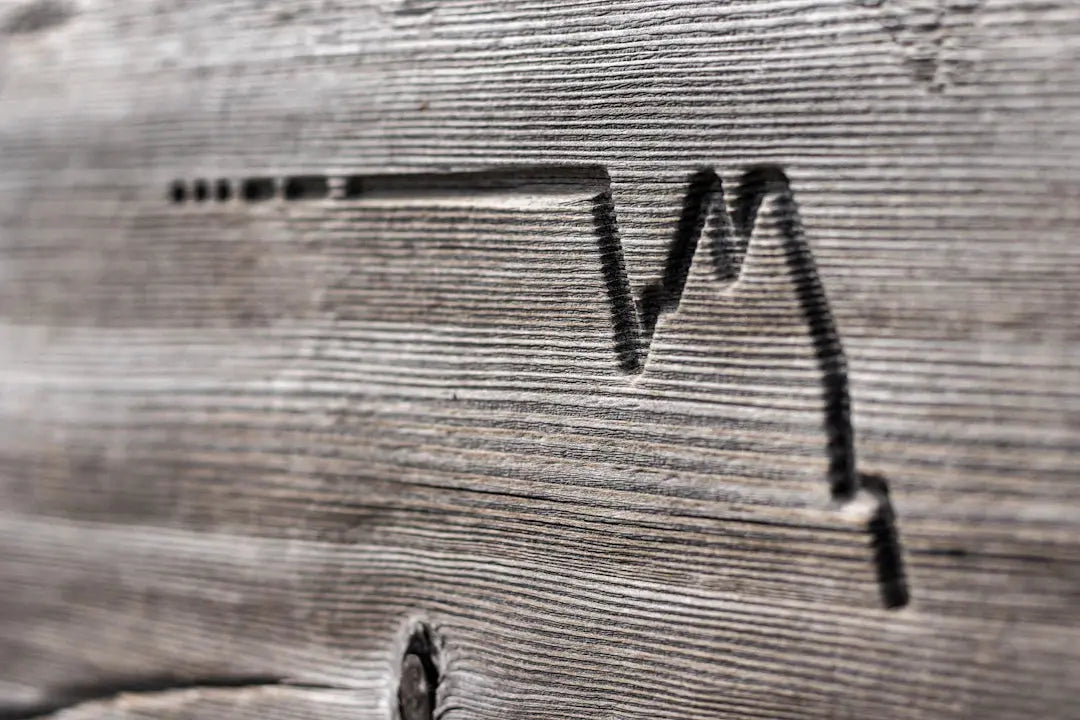
Wood is one of the most popular materials for laser engraving due to its natural beauty and versatility. It’s ideal for crafting everything from personalized gifts to home décor. Here are some key considerations when engraving wood:
- Types of Wood: The type of wood varies in grain, color, and density. Common choices include birch, maple, walnut, and cherry. Each type behaves differently under the laser, affecting the final look.
- Wood Grain: The grain of the wood can enhance or detract from your design. A finer grain may create a smoother finish but might not hold detail as well as a coarser grain.
- Finish: Depending on the finish applied to the wood, the engrave results can look different. Stained wood offers a diverse range of colors that can beautifully contrast your engraving.
Metal
Metal is another excellent choice for laser engraving, offering durability and a sleek, modern aesthetic. Metal engravings are often used for awards, plaques, and personalized gifts. Consider the following factors:
- Types of Metal: Aluminum, stainless steel, brass, and copper are some popular materials. The choice of metal will heavily influence the speed and power settings of your laser engraver.
- Surface Treatment: Anodized aluminum can produce vibrant engravings, while raw metals provide a more industrial feel.
- Reflectivity: Some metals are highly reflective and may require specific settings to achieve desired results.
Other Noteworthy Materials
Aside from wood and metal, there are numerous other materials suitable for laser engraving. Let’s explore some of these notable options:
Acrylic
Acrylic is a synthetic polymer that comes in various colors and thicknesses. It’s lightweight, shatter-resistant, and can produce stunning 3D effects when engraved properly. Here are some benefits:
- Laser Cut Edges: When cut with a laser, acrylic edges can be smoothed and polished automatically, enhancing your design's finished look.
- Color Options: Acrylic is available in an array of colors, allowing for unique and vibrant designs.
Glass
Glass engraving can result in elegant and refined designs, making it a popular choice for awards and personalized gifts. Here’s what to consider:
- Etching vs. Engraving: Glass engraving usually involves etching techniques that create a frosted look, which may differ from the traditional engraving appearance.
- Surface Variability: Different types of glass can yield varying results. It's essential to experiment with settings for clarity.
Leather
Leather adds a touch of class and sophistication to any engraved project, making it suitable for personalized gifts such as wallets and keychains. Here are some insights:
- Types of Leather: There are numerous types, including genuine leather, faux leather, and suede. Each type reacts differently to engraving.
- Texturing: Consider how the texture of the leather will interact with the engraving. Smooth leather may yield clean lines, while textured leather can add dimension.
Project Ideas Combining Different Materials
Once you’ve familiarized yourself with various materials, consider how to combine them to produce unique projects. Here are some innovative ideas to inspire you:
- Mixed Media Art: Incorporate both wood and metal elements. For example, laser engrave a wooden frame and place a metal artwork or label within it.
- Custom Awards: Create awards that combine glass and metal. Use glass for the base and engrave a metal plate to attach that highlights the recipient's name.
- Personalized Leather Goods: Design unique leather wallets with engraved wooden nameplates or tags, creating a striking contrast.
Best Practices for Laser Engraving
Engraving different materials requires an understanding of the best practices to achieve the desired results. Here are some essential tips:
- Test Settings: Always conduct test engravings on sample pieces of your chosen material to find the best laser settings.
- Clean Your Material: Ensure the material is clean and free of debris, which may affect the engraving quality.
- Safety First: When working with metals and plastics, ensure you are following all safety protocols as certain materials could release harmful fumes when heated.
Investing in the Best Laser Engraver
To bring your creative visions to life, investing in the best laser engraver tailored to your needs is essential. Here are some considerations to keep in mind:
- Power and Speed: Determine the power and speed of the laser engraver that best suits the materials you will work with for optimal results.
- Versatility: Select an engraver capable of handling a variety of materials, from metal and wood laser engraving to acrylic and leather.
- Ease of Use: Look for models known for user-friendly interfaces, making it easy to navigate settings and create designs.
Get Inspired and Start Creating
The world of laser engraving is vast and filled with endless possibilities. By understanding the unique characteristics of different materials like metal and wood, you can unleash your creativity and produce exceptional projects. Whether you’re crafting a personalized gift, creating art pieces, or developing business products, the material you choose plays a vital role in the final outcome.
So, gather your materials and let your imagination soar! Whether you take the plunge with wood, metal, or any other material, our team at Laser Engraver Store is here to support your venture into the incredible universe of laser engraving. Your next masterpiece awaits!
Frequently Asked Questions
1. What is laser engraving?
2. What materials are commonly used for laser engraving?
3. How does the type of wood affect laser engraving results?
4. What are some best practices for laser engraving?
5. How can I combine different materials in laser engraving projects?
Glossary
| Term | Meaning |
|---|---|
| Laser Engraving | A process using a laser beam to etch designs onto various surfaces. |
| Wood Grain | The pattern and texture of wood that affects engraving quality. |
| Acrylic | A lightweight, shatter-resistant polymer ideal for colorful engravings. |
| Surface Treatment | Methods applied to materials that influence engraving appearance. |
| Reflectivity | The quality of a material that affects laser engraving settings. |
| Etching | A technique for glass engraving that creates a frosted finish. |
| Mixed Media Art | Combining different materials in a single project for creative effects. |
| Test Settings | Trial engravings on sample pieces to determine optimal laser settings. |
| Power and Speed | Specifications of a laser engraver affecting performance with materials. |
| Personalized Gifts | Custom items created through engraving for special occasions. |
Linked Product

Gweike G3 MOPA Fiber and Diode Dual Laser Engraver
The Gweike G3 MOPA Fiber and Diode Dual Laser Engraver offers versatility for both metal and non-metal projects, featuring a dual laser system that includes a 30W or 60W MOPA fiber laser and a 40W diode laser. With the capability to engrave and cut a wide range of materials, including stainless steel, wood, and acrylic, it is ideal for makers, jewelers, and small businesses looking to streamline their production processes. Its fully enclosed design and industrial autofocus ensure a safe and precise working environment, making it suitable for consistent batch production.
View ProductWe beat any authorized dealer's price and quote your whole project
Reading up before you buy? Send us the details and a US-based expert will spec the entire project and get you the lowest price we can, on any machine we carry.
- ✓We beat authorized dealer pricingShow us a lower advertised price and we will beat it.
- ✓Whole-project quotingMachine, accessories, materials, and setup in one quote.
- ✓Real experts, US-basedTalk to people who actually run these machines.
- ✓Financing availableFlexible options through Shop Pay Installments.
Shop by brand
We carry the top names in laser engraving and industrial 3D printing, factory-direct.
Diode laser engravers and cutters for makers, hobbyists, and small shops.
Shop AtomStack → 3D Printers FlashForgeReliable FDM and resin 3D printers for prototyping, education, and production.
Shop FlashForge → Industrial 3D Printers Vision MinerHigh-temp industrial 3D printers for engineering-grade and functional parts.
Shop Vision Miner →Shop by category
Not sure where to start? Explore our main categories or request a free quote above.