Laser Engraving vs. Traditional Engraving: The Ultimate Showdown
Overview
This article delves into the differences between traditional engraving methods and modern laser engraving, highlighting the unique benefits of each approach. Readers will gain insights into precision, material versatility, cost considerations, and customization options, empowering them to make informed decisions for their engraving projects. By the end, you'll understand which method aligns best with your creative goals and practical needs.
Table of Contents
- Understanding Engraving Methods
- Precision and Detail
- Traditional Engraving Techniques
- Laser Engraving Methods
- Material Versatility
- Materials for Traditional Engraving
- Materials for Laser Engraving
- Cost and Accessibility
- The Economics of Traditional Engraving
- The Economics of Laser Engraving
- Speed and Efficiency
- Speed of Traditional Engraving
- Speed of Laser Engraving
- Safety and Health Considerations
- Safety in Traditional Engraving
- Safety in Laser Engraving
- Environmental Considerations
- Impact of Traditional Engraving
- Laser Engraving’s Environmental Benefits
- Personalization and Customization
- Customization with Traditional Engraving
- Customization with Laser Engraving
- Choosing the Right Method for Your Needs
- Your Next Steps to Engraving Brilliance
Key Takeaways
- Engraving Methods: Traditional engraving techniques include hand engraving, rotary engraving, and chemical etching, while laser engraving utilizes a concentrated beam of light for precision.
- Precision and Detail: Traditional methods offer artisan quality but are time-consuming and difficult to replicate, whereas laser engraving achieves remarkable detail quickly and consistently.
- Material Versatility: Traditional engraving is limited to specific materials, while laser engraving can work with a wider range including wood, leather, acrylic, and glass.
- Cost and Accessibility: Traditional engraving can be costly due to the need for skilled artisans and specialized tools, whereas laser engraving machines have become more affordable and reduce labor costs.
- Speed and Efficiency: Laser engraving machines like the FLUX Beambox Pro complete projects significantly faster than traditional methods, enhancing productivity for larger runs.
- Safety Considerations: Traditional engraving poses risks with sharp tools, while laser engraving includes safety features but requires proper ventilation due to potential fumes.
- Customization: Both methods offer personalization, but laser engraving allows for quicker and more complex custom designs, making it ideal for unique products.
Pros and Cons
| Advantages of Laser Engraving | Drawbacks of Laser Engraving |
|---|---|
| High precision and detail with complex designs. | Initial investment costs for the machine can be high. |
| Ability to engrave a wide range of materials. | Requires proper ventilation due to fumes from certain materials. |
| Faster processing speeds, increasing productivity. | Less artisan craftsmanship compared to traditional methods. |
| Reduced labor costs and minimal training for operators. | Potential reliance on technology may limit creative expression. |
Who It's For (And Not For)
Who It's For
- Artisans and Craft Enthusiasts: If you appreciate the intricate details and craftsmanship of hand-carved designs, traditional engraving may be your preferred choice.
- Small Business Owners: Those who require unique, customized products for clients may benefit from the personalization offered by traditional engraving.
- Individuals Seeking Unique Gifts: If you're looking for one-of-a-kind items, traditional engraving can provide a personal touch that resonates with recipients.
Who It's Not For
- High-Volume Producers: If you need to produce large quantities quickly, laser engraving is the more efficient and faster option.
- Budget-Conscious Users: Those looking for cost-effective solutions may find traditional engraving methods to be prohibitively expensive due to the tools and time required.
- Innovators and Tech-Savvy Users: If you prefer to work with a wide variety of materials and enjoy the precision that technology offers, laser engraving would be more suitable.
The art of engraving has long been cherished for its ability to create beautiful, lasting designs on a variety of materials. From jewelry to intricate woodwork, engraving has found its way into various industries and hobbies. However, with the advent of modern technology, laser engraving has emerged as a powerful alternative to traditional engraving methods. In this article, we will explore the key differences between laser engraving and traditional engraving while shedding light on the benefits of each method, ultimately helping you make an informed choice for your next project.
Understanding Engraving Methods
Before diving into the comparison, it's crucial to grasp the basics of the engraving methods we are discussing. Traditional engraving techniques have been around for centuries and include processes such as:
- Hand Engraving: This technique involves using sharp tools to carve designs into a material by hand.
- Rotary Engraving: This method uses a rotating bit to carve into hard surfaces like metal and acrylic.
- Chemical Etching: Engraving through chemical processes to create designs on metal surfaces.
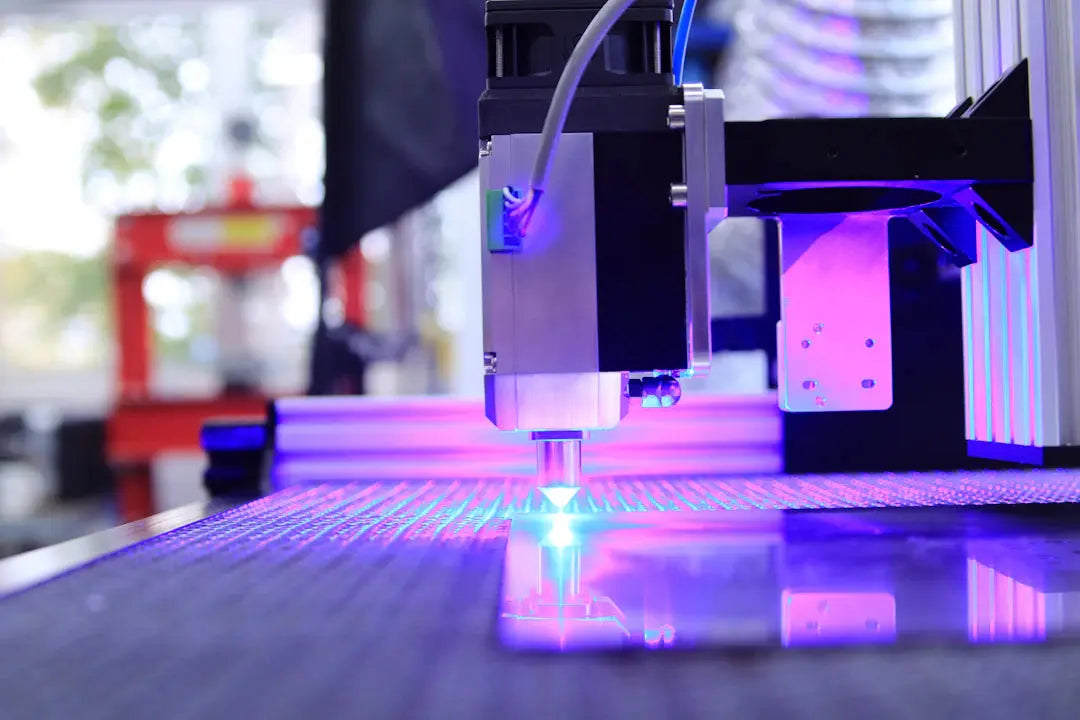
On the other hand, laser engraving, facilitated by machines like the FLUX Beambox Pro, uses a concentrated beam of light to burn or melt the material, creating precise designs with minimal effort. This contrast between manual and automated techniques sets the stage for our comprehensive comparison.
Precision and Detail
Traditional Engraving Techniques
One of the most significant advantages of traditional engraving methods is the artisan quality and custom detail they can provide. Skilled artisans can create stunning designs that showcase their expertise, often resulting in deeply engraved artwork that has a tactile quality.
Nevertheless, this precision comes with limitations. Hand engraving requires a steady hand, years of skill development, and is time-consuming. Furthermore, intricate designs can be difficult to replicate consistently across multiple pieces.
Laser Engraving Methods
With a laser etching machine like the FLUX Beambox Pro, precision reaches an entirely new level. The laser's strength allows it to achieve remarkable detail, all while working at a speed that far surpasses traditional methods. With features like automatic focus, operators can achieve consistent depth across varying material thicknesses, ensuring a uniform result each time.
Additionally, laser engraving can handle complex designs with many intricate elements that may be impossible to reproduce with traditional techniques. This capability means you can effortlessly create multiple copies without worrying about variations in quality.
Material Versatility
Materials for Traditional Engraving
Traditional engraving methods are typically limited to specific materials. For example, hand engravings work best on wood, metal, and glass; rotary engravings excel with softer materials like plastic and acrylic. While artisans may adapt their techniques to different surfaces, each material requires unique approaches, tools, and skill sets. The limitations of traditional engraving can restrict creativity, especially if you're interested in exploring various surfaces.
Materials for Laser Engraving
Laser engraving machines can handle a broader range of materials, including wood, leather, acrylic, cardboard, glass, and even some metals. The FLUX Beambox Pro showcases this versatility by accommodating an extensive range of non-metal materials with ease. Whether you aim to create signage for a business, unique gifts, or customized products, the laser's adaptability opens up a world of possibilities.
Cost and Accessibility
The Economics of Traditional Engraving
Traditionally, engraving requires a significant investment in both time and tools. Skilled artisans primarily drive the cost of hand engraving, which often reflects their expertise. In addition, rotary engraving requires a specific machine, which can also be quite costly. For small shops or individuals who engage in occasional projects, these costs can be prohibitive, making traditional engraving methods less accessible.
The Economics of Laser Engraving
While purchasing a laser engraving machine such as the FLUX Beambox Pro can be an initial investment, the long-term benefits often outweigh these costs. Laser engraving devices are growing increasingly affordable, offering high-quality performance at a reasonable price. Additionally, they reduce labor costs as one operator can handle the machine with minimal training compared to traditional methods.
With both traditional and laser engraving methods, the upkeep and operating costs can vary, but laser machines tend to require less maintenance. Additionally, the operational speed and ease of use increase efficiency and productivity, ultimately leading to higher profitability for businesses.
Speed and Efficiency
Speed of Traditional Engraving
One of the most significant downsides to traditional engraving methods is the time required to complete a project. Hand engraving can take hours or even days, depending on the design complexity and material. Rotary engraving may speed up the process, but tasks can still be labor-intensive, particularly for large runs of products.
Speed of Laser Engraving
In contrast, a laser engraving machine can complete tasks significantly faster than a human. The FLUX Beambox Pro is designed for efficiency, capable of processing a large work area of 600 x 375 mm, making it well-suited for larger production runs without needing to reposition materials constantly. Combine this with features like HD camera previews and automatic focus systems, and you’ll find that laser engraving provides a level of efficiency that is hard to beat.
Safety and Health Considerations
Safety in Traditional Engraving
Traditional engraving methods involve sharp tools and machinery, raising safety concerns. For example, hand engravers must manage sharp chisels or knives, leading to potential cuts or injuries. Moreover, rotary engraving machines can pose risks if not handled correctly.
Safety in Laser Engraving
Laser engraving, while relatively safe, comes with its health considerations. The FLUX Beambox Pro incorporates several safety features. These include automatic pauses when the lid opens and an emergency stop switch, designed to minimize accidents. Furthermore, proper ventilation is crucial when working with certain materials, as fumes may be released during the engraving process.
Environmental Considerations
Impact of Traditional Engraving
Traditional engraving generally employs materials and tools that may have environmental considerations. Waste from the engraving process can contribute to environmental degradation, especially when using chemical etching techniques. Hand engraving, however, can produce less waste if done thoughtfully.
Laser Engraving’s Environmental Benefits
On the environmental front, laser engraving machines like the FLUX Beambox Pro can be more eco-friendly. They often create less waste and can use a wider assortment of eco-friendly materials for projects. With precision technology, the laser minimizes material waste, while the ability to repurpose various materials leads to sustainable practices.
Personalization and Customization
Customization with Traditional Engraving
Customization is often the hallmark of traditional engraving methods. Qualified artisans can create uniquely tailored pieces, imbuing each project with personal touches through their craftsmanship. This personalization is a significant draw for customers looking for one-of-a-kind gifts or heirlooms.
Customization with Laser Engraving
Laser engraving is equally well-suited for personalization. Its capacity to handle complex designs means that customers can receive highly customized products quickly. Users can easily upload different design files such as JPG, PNG, and SVG formats to a laser engraving machine like the FLUX Beambox Pro. The result is a range of customizable products, from engraved jewelry to unique signage.
Choosing the Right Method for Your Needs
In the end, the choice between traditional engraving and laser engraving comes down to your specific needs and the type of work you plan to create. If you value artisan craftsmanship and the innate beauty of a hand-carved object, traditional engraving may be your best fit. Alternatively, if speed, precision, and a vast array of materials are what you seek, investing in a laser etching machine like the FLUX Beambox Pro may be the way to go.
As you contemplate your engraving journey, consider the type of projects you envision, your ambition for customization, and the level of detail required. Embracing the right method can elevate your craft or business to new heights, fulfilling your creative ambitions while unlocking unmatched possibilities.
Your Next Steps to Engraving Brilliance
As we navigate through the world of engraving, understanding the distinguishing characteristics between traditional and laser engraving illuminates the path to discovering what suits you best. Embrace the modernity of laser engraving with a machine like the FLUX Beambox Pro for effortless precision, while appreciating the rich heritage of traditional engraving craftsmanship. The choice is yours, and the possibilities are endless. Dive into your next engraving adventure equipped with knowledge and creativity!
Frequently Asked Questions
1. What are the main types of traditional engraving techniques?
2. What are the advantages of laser engraving over traditional methods?
3. How does traditional engraving differ in terms of customization?
4. What are some safety considerations for engraving methods?
5. What factors should I consider when choosing between traditional and laser engraving?
Glossary
| Term | Meaning |
|---|---|
| Engraving | The art of carving designs into materials. |
| Laser Engraving | A method using a laser beam to etch designs with precision. |
| Hand Engraving | Carving designs manually using sharp tools. |
| Rotary Engraving | A technique using a rotating bit to carve into surfaces. |
| Chemical Etching | Creating designs through chemical reactions on metal. |
| Material Versatility | The ability to engrave on various materials. |
| Customization | Tailoring designs to meet specific customer needs. |
| Precision | The accuracy and detail achievable in engraving. |
| Safety Features | Mechanisms designed to protect users during engraving. |
| Environmental Impact | The effect of engraving processes on the environment. |
Linked Product

FLUX Beambox Pro 50W CO2 Laser Engraver
The FLUX Beambox Pro 50W CO2 Laser Engraver is designed for artists and small business owners seeking to create detailed engravings and intricate cuts on materials such as wood, leather, and acrylic. With a spacious work area of 600 x 375 mm and capabilities to cut up to 12mm thick, it accommodates larger projects without the need for repositioning. Its user-friendly Beam Studio software ensures efficient design management, making it suitable for both professional and hobbyist use.
View ProductWe beat any authorized dealer's price and quote your whole project
Reading up before you buy? Send us the details and a US-based expert will spec the entire project and get you the lowest price we can, on any machine we carry.
- ✓We beat authorized dealer pricingShow us a lower advertised price and we will beat it.
- ✓Whole-project quotingMachine, accessories, materials, and setup in one quote.
- ✓Real experts, US-basedTalk to people who actually run these machines.
- ✓Financing availableFlexible options through Shop Pay Installments.
Shop by brand
We carry the top names in laser engraving and industrial 3D printing, factory-direct.
Diode laser engravers and cutters for makers, hobbyists, and small shops.
Shop AtomStack → 3D Printers FlashForgeReliable FDM and resin 3D printers for prototyping, education, and production.
Shop FlashForge → Industrial 3D Printers Vision MinerHigh-temp industrial 3D printers for engineering-grade and functional parts.
Shop Vision Miner →Shop by category
Not sure where to start? Explore our main categories or request a free quote above.