Essential Materials for Laser Engraving: What You Should Use
Overview
This article delves into the world of laser engraving, emphasizing the importance of selecting the right materials for successful projects. Readers will learn about various materials suitable for laser engraving, including popular choices like acrylic, wood, and metal, as well as tips for achieving optimal results. By understanding material compatibility and engraving techniques, you can enhance your creative projects and master the art of laser engraving.
Table of Contents
- Understanding Laser Engraving Materials
- Criteria for Selecting Materials
- Popular Materials for Laser Engraving
- Acrylic
- Wood
- Leather
- Metal
- Glass
- Less Common but Effective Materials
- Stone
- Fabric
- Tips for Working with Different Materials
- Testing Settings
- Cleaning and Maintenance
- Post-Processing
- Proper Ventilation
- Choosing the Right Engraving Machine
- Crafting Unique Projects
- Building Your Skills
- Engaging with the Community
- Your Journey to Laser Engraving Mastery
Key Takeaways
- Material Compatibility: Choose materials that are suitable for desktop laser cutters to avoid damage and ensure quality engravings.
- Popular Choices: Acrylic, wood, leather, metal, and glass are the most favored materials for laser engraving due to their versatility and aesthetic appeal.
- Testing Settings: Always test engraving settings on scrap material to optimize power and speed for the best results.
- Post-Processing: Some materials may need sanding or sealing after engraving to enhance appearance and durability.
- Ventilation: Ensure proper ventilation when working with materials that emit harmful fumes to maintain a safe workspace.
- Skill Development: Mastering laser engraving requires practice and experimentation with different materials and techniques.
- Community Engagement: Connect with other laser engravers through online forums and local maker spaces for new ideas and support.
Pros and Cons
| Advantages of Laser Engraving | Drawbacks of Laser Engraving |
|---|---|
| Produces high-quality, detailed engravings. | Initial equipment costs can be high. |
| Versatile with a wide range of materials. | Some materials may require special handling. |
| Fast processing speeds for large projects. | Requires ongoing maintenance and cleaning of the machine. |
| Allows for creative freedom and customization. | Learning curve involved in mastering techniques. |
| Can create intricate designs not possible with manual methods. | Potential for harmful fumes with certain materials. |
Who It's For (And Not For)
Who It's For
- Craft Enthusiasts: If you enjoy creating personalized gifts, home decor, or custom items, laser engraving can elevate your projects.
- Small Business Owners: Those looking to diversify their product offerings with unique, engraved items will benefit from investing in a laser engraving machine.
- Artists and Designers: Individuals in creative fields seeking innovative ways to express their artistry will find laser engraving a valuable tool.
- DIY Hobbyists: If you love hands-on projects and experimenting with different materials, laser engraving can provide endless creative possibilities.
Who It's Not For
- Casual Crafters: If you only engage in crafting occasionally and prefer simpler methods, laser engraving may be more complex than necessary.
- Budget-Conscious Individuals: Those with limited budgets may find the costs associated with laser engraving equipment and materials prohibitive.
- People with Limited Space: If you lack the workspace for a laser engraving machine and materials, pursuing this craft may not be practical.
- Non-Technical Users: Individuals uncomfortable with technology or machinery may struggle with the setup and operation of a laser engraving machine.
Laser engraving has become an essential part of various industries, from crafting personalized gifts to creating signage for businesses. However, the success of your laser engraving projects greatly depends on the materials you choose. In this article, we’ll explore the essential materials for laser engraving, what works best with a desktop laser cutter, and tips for achieving magnificent results every time you use your engraving machine.
Understanding Laser Engraving Materials
Before diving into specific materials, it’s vital to understand how laser engraving works. A laser engraving machine utilizes a focused beam of light to cut and etch materials. The type of material you choose will directly affect the quality, speed, and precision of your finished product.
Criteria for Selecting Materials
When selecting materials for your laser engraving projects, consider the following criteria:
- Compatibility: Ensure that the material is suited for use with a desktop laser cutter. Certain materials may not engrave well or could even damage your machine.
- Finish: Look for a material that offers the desired finish for your project, whether that be glossy, matte, or textured.
- Cost: Choose materials that fit within your budget, especially for large projects.
Popular Materials for Laser Engraving
Let’s break down some of the most popular materials used in laser engraving and the reasons why they are favored by many:
Acrylic
Acrylic is a lightweight and versatile material that works beautifully with laser engravers. It comes in a variety of colors and thicknesses, allowing for creative freedom. When engraved, acrylic can produce a striking contrast, making it excellent for signage, awards, and custom pieces.
Wood
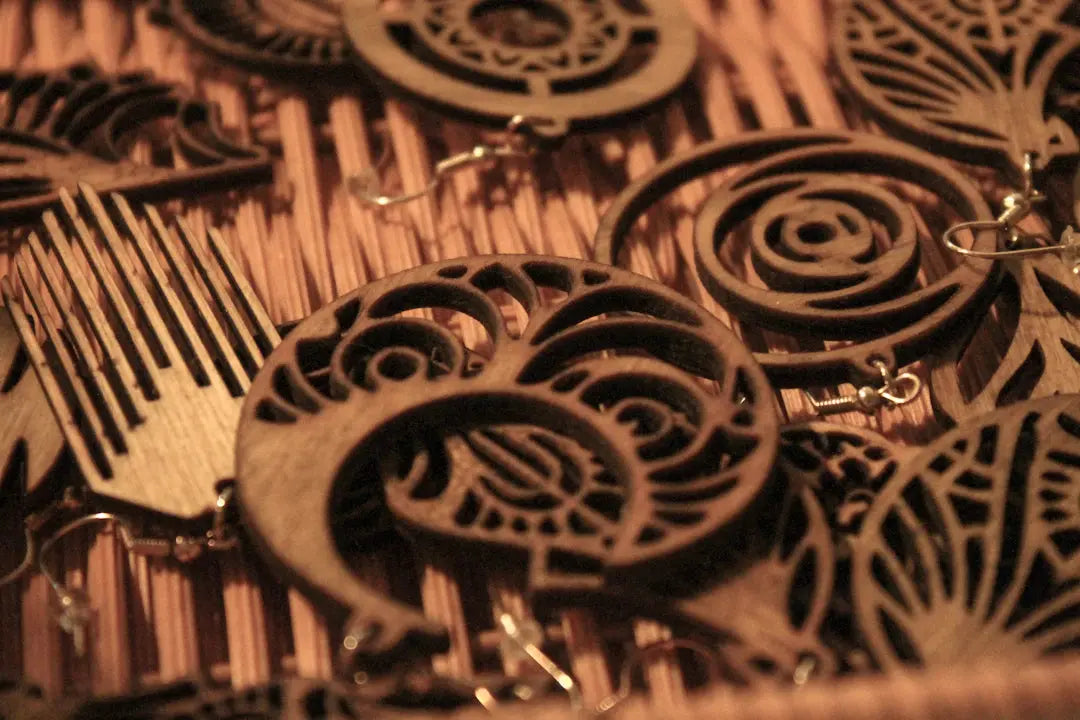
Wood is one of the traditional choices for laser engraving. Various types of wood, such as birch, walnut, and maple, can be used for different effects. Depending on the wood type, you can achieve stunning engravings that highlight the wood grain, making it ideal for personalized items, plaques, and decorative art.
Leather
Leather, including faux leather, is a popular choice for creating custom gifts and fashion items. Whether you are engraving leather wallets, bags, or belts, laser engraving on leather can add a unique touch, providing a permanent mark that enhances the material's appearance.
Metal
Metal is gaining traction in laser engraving projects, particularly with machines like the Gweike MCore, which offers the versatility to handle both metal and non-metal materials. Stainless steel and aluminum are commonly used; they can be engraved to create stunning, durable designs suitable for tools, personalized gifts, and commercial branding.
Glass
Engraving on glass creates elegant designs and is often used for awards, trophies, and decorative pieces. It requires careful handling; however, the end results can be stunningly beautiful. Glass engraving often benefits from the clarity and precision of a laser, offering intricate detailing that manual engraving cannot achieve.
Less Common but Effective Materials
Aside from the popular materials mentioned above, there are other unique materials you can explore for laser engraving:
Stone
Engraving on stone, such as granite or marble, results in striking designs often used for memorials or decorative pieces. The technique requires a powerful laser engraver, as stone is a tough material to etch. The results are often long-lasting and visually appealing.
Fabric
Various types of fabric, including denim and canvas, can also be laser engraved. This method allows for design intricacies that are difficult to achieve through traditional embroidery techniques. Engraved fabric pieces can be used for bags, clothing, and home decor items.
Tips for Working with Different Materials
While selecting the right materials is crucial, knowing how to work with them can significantly influence your results. Here are some practical tips for various materials:
Testing Settings
Always conduct a test engraving on a scrap piece of your chosen material to determine optimal power settings and engraving speeds. Each material responds differently, and adjustments might be needed to achieve the desired effect.
Cleaning and Maintenance
Keep your materials clean to avoid imperfections. For example, oils or residues on metal can affect the engraving quality. Make sure to wipe down your materials before engraving.
Post-Processing
After engraving, some materials may require additional post-processing steps, such as sanding or sealing, to protect the engraved area and enhance the appearance. For instance, stained wood may need a clear finish applied post-engraving.
Proper Ventilation
Ensure proper ventilation when working with materials that could produce harmful fumes, like certain plastics and leathers. A good exhaust system can enhance the safety and air quality in your workspace.
Choosing the Right Engraving Machine
Utilizing advanced equipment, such as the engraving technologies found in systems like the Gweike MCore, opens opportunities for versatility in material processing. This machine allows users to switch between the fiber and CO₂ laser sources effectively, making it an excellent choice for small businesses looking to diversify their offerings.
Your engraving machine plays a critical role in determining how each material interacts with the laser. Ensure your machine's specifications meet the demands of the materials you wish to use, whether for delicate engravings or robust markings.
Crafting Unique Projects
The versatility of laser engraving is a game changer in the creative industry. Consider combining materials to create multifaceted projects that stand out. For instance, you can engrave on wood and combine that with acrylic or metal for a modern, layered look that will catch the eye.
Building Your Skills
Like any craft, laser engraving takes time and practice to master. Spend time experimenting with different materials and techniques. There are numerous online tutorials and communities that can provide additional insights and tips to hone your skills.
Engaging with the Community
Engaging with other laser engravers can offer fresh perspectives and ideas. Online forums, social media groups, and local maker spaces are great places to connect and share experiences.
Your Journey to Laser Engraving Mastery
Embarking on your laser engraving journey involves understanding your materials and honing your technique. With the right knowledge and equipment, including a reliable desktop laser cutter, you can create stunning pieces that captivate and delight. By selecting the right materials and continuing to learn, you’ll be well on your way to mastering the art of laser engraving.
So go ahead, unleash your creativity and watch your ideas come to life through the magic of laser engraving!
Frequently Asked Questions
1. What materials are best suited for laser engraving?
2. How does the choice of material affect laser engraving results?
3. What are some tips for working with different engraving materials?
4. Can I use my desktop laser cutter with various materials?
5. How can I improve my laser engraving skills?
Glossary
| Term | Meaning |
|---|---|
| Laser Engraving | A process that uses a focused beam of light to etch or cut materials. |
| Acrylic | A lightweight, versatile material ideal for vibrant engravings. |
| Wood | A traditional engraving material, offering unique grain patterns. |
| Leather | A popular choice for custom gifts, providing a permanent mark. |
| Metal | Durable material suitable for commercial branding and personalized items. |
| Glass | Creates elegant designs, often used for awards and decorative pieces. |
| Stone | Engraving on tough materials like granite, ideal for memorials. |
| Fabric | Allows intricate designs, perfect for bags and home decor. |
| Post-Processing | Additional steps taken after engraving to enhance appearance. |
| Ventilation | Ensuring airflow to remove harmful fumes during engraving. |
Linked Product

Gweike MCore Fiber and CO2 Dual Laser Cutter
The Gweike MCore Fiber and CO2 Dual Laser Cutter is designed for small businesses looking to streamline their production by integrating both metal and non-metal cutting capabilities into a single machine. With its dual laser sources, it can efficiently cut materials like metal and acrylic with precision and speed, making it suitable for various applications such as sign making and custom product fabrication. The one-click mode switching feature simplifies the transition between different materials, enhancing workflow and operational efficiency.
View ProductWe beat any authorized dealer's price and quote your whole project
Reading up before you buy? Send us the details and a US-based expert will spec the entire project and get you the lowest price we can, on any machine we carry.
- ✓We beat authorized dealer pricingShow us a lower advertised price and we will beat it.
- ✓Whole-project quotingMachine, accessories, materials, and setup in one quote.
- ✓Real experts, US-basedTalk to people who actually run these machines.
- ✓Financing availableFlexible options through Shop Pay Installments.
Shop by brand
We carry the top names in laser engraving and industrial 3D printing, factory-direct.
Diode laser engravers and cutters for makers, hobbyists, and small shops.
Shop AtomStack → 3D Printers FlashForgeReliable FDM and resin 3D printers for prototyping, education, and production.
Shop FlashForge → Industrial 3D Printers Vision MinerHigh-temp industrial 3D printers for engineering-grade and functional parts.
Shop Vision Miner →Shop by category
Not sure where to start? Explore our main categories or request a free quote above.